How aligning corporate values with social impact is reshaping communication strategies
By Katie Neumann
In 2024, a company’s “purpose” is no longer just about profits, it is a mission, a message and a movement. Purpose-driven PR is taking center stage as consumers expect companies to champion values that align with them personally. According to Forbes, some of the most impactful campaigns of 2024 are those that go beyond products, using platforms to address social, cultural and environmental issues. While this trend builds upon the foundations of CSR (Corporate Social Responsibility) and ESG (Environmental, Social and Governance), purpose-driven PR stands apart by weaving social impact and sustainability directly into its corporate image.
Audiences, especially Gen Z, are increasingly attracted to companies with a strong purpose behind their products or services. One way to effectively do this is by combining compelling storytelling with CSR initiatives. This could build trust, loyalty and media visibility. In October 2024, E.l.f. Beauty, known for its affordable cosmetics, launched a purpose-driven campaign to showcase its positive social impact and progressive company culture. The goal was to direct viewers to its fiscal year report detailing the statistics. The “Dupe That!” campaign invites other companies to join in the “unicorn parade” and emulate a positive impact like E.l.f Beauty has. It encourages the community to check out its FY 2024 Impact Report and engage in both being good and doing good. The company also highlighted its unique status as the only United States publicly traded company with a corporate board of directors that is 78% women and 44% diverse. Learn more about this in the press release.
Evolving Language and Messaging
Purpose-driven PR has evolved in 2024, especially in how companies communicate values. As some terms, like DEI and ESG become politically charged, companies are changing and prefer terms like “impact” that feel inclusive or approachable. Sandy Skees, VP and global lead of purpose and impact at Porter Novelli, points out that although companies may be moving away from the word “purpose,” the idea of aligning corporate and personal values remains important for engaging stakeholders. She notes, “Purpose is a good word for it and is still an accurate description because when you can align corporate with personal purpose, that’s when you drive engagement and connection among all stakeholders.” This evolution reflects a broader trend of businesses adapting its language. Procter & Gamble shows this shift by carefully examining its discussions around purpose to avoid alienating customers. Damon Jones, chief communications officer at P&G, says it is essential for companies to uniquely serve its audiences while communicating their commitments effectively, according to PRWeek.
Authentic Actions are Key
Richard Edelman, CEO of Edelman, explains that while terms like ESG may be fading, their underlying values are still crucial. Today, companies can’t simply state their values; they must take authentic action, especially amid social and political pressures. Employees and consumers alike, expect companies to take clear stances, and silence can lead others to define their narrative.
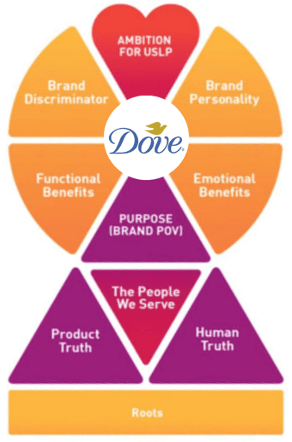
Edelman also notes that purpose should be assessed on a brand-by-brand basis, using one of its biggest clients, Unilever, as an example. “The new CEO [Hein] Schumacher basically said, ‘on Dove it’s great, it works; on some other brands, like Marmite, it doesn’t, it’s a functional product.’” Not every brand needs a purpose, and purpose must be applied thoughtfully rather than forced. Dove has long exemplified this approach through its Real Beauty campaign, using unretouched images of diverse women to challenge beauty standards and build loyalty. Now, Dove is addressing issues like AI, reaffirming that authentic beauty must stay – a mission that continues to resonate with the public.
In an era where values drive consumer choices, purpose-driven PR is proving to be more than a trend, but rather a strategic advantage. Audiences are calling for real action over empty statements, rewarding brands that commit to transparency, social impact and genuine alignment with their values. As companies integrate purpose into core strategies, they’re finding stronger connections and more trust from those who care about the message. Purpose may not fit every company, but for those that embrace it with authenticity, the benefits are clear: Engaged audiences, lasting loyalty and a meaningful role in shaping a better future.
###
About the author:
Katie Neumann is an aspiring public relations professional in the Dallas-Fort Worth Metroplex. She is a senior at the University of North Texas studying public relations, journalism and marketing. Katie is expected to graduate in May 2025 and plans to pursue a career in corporate communications.
 Portfolio